Supporting Older Loved Ones Through Autumn: Staying Warm, Safe and Well at Home
Let us find your local CareYourWay
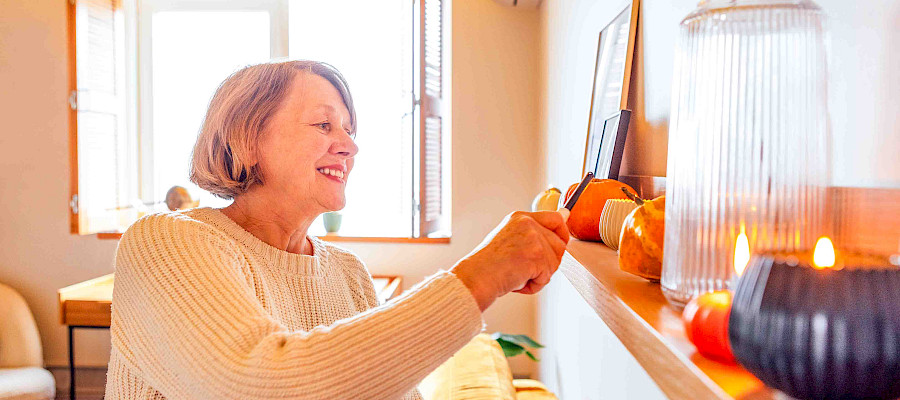
There is something rather lovely about autumn. The changing leaves, crisp mornings and return of cosy evenings make it a season many of us enjoy.
But cooler temperatures, shorter days and wetter weather can bring additional considerations, particularly for older people living independently at home.
For families, this is a useful time to notice the smaller things. Does the house feel colder than usual? Is there plenty of food in the fridge? Is your loved one getting out as often? Have everyday routines become a little more difficult?
Supporting someone through the changing seasons isn't about making dramatic changes. Often, it's simply about noticing what might make life at home a little easier.
Keeping Warm and Comfortable at Home
Keeping comfortably warm becomes increasingly important as temperatures fall, particularly for older people and those living with certain health conditions.
Current NHS guidance recommends heating rooms that are regularly used to at least 18°C where possible.
When visiting a loved one, look beyond the thermostat. Are they wearing several layers indoors? Have they stopped using a room because it feels cold? Are they reluctant to turn the heating up?
Simple things such as closing curtains as darkness falls, reducing draughts and keeping warmer clothing and blankets nearby can help.
For someone receiving home care, regular visits also provide another reassuring pair of eyes to notice small changes and help keep them comfortable at home.
Eating Well and Staying Active
Changes in weather can gradually affect everyday routines.
Rather than simply asking whether a loved one is eating well, notice what's happening around them. Is there fresh food in the fridge? Are they still preparing meals they enjoy? Has shopping or cooking become more difficult?
Helping with shopping, preparing a favourite meal or simply eating together can make a meaningful difference. Staying hydrated remains important throughout the year too.
Poor weather can also make getting outside less appealing. Gentle movement around the home can help, while on brighter days, a walk, trip to the shops or visit to a favourite café can provide a welcome change of scenery.
Most importantly, notice whether their world is becoming more limited. If they're going out less or have stopped doing something they enjoy, a little practical support may help them maintain their usual routines and independence.
Making the Home Safer
Darker evenings, wet weather and fallen leaves can subtly change the environment around someone's home.
Take a fresh look around. Are frequently used areas well lit? Are entrances and pathways clear? Is footwear suitable? Are everyday items within comfortable reach?
Think about ordinary journeys too, such as getting to the bathroom during the night or stepping outside the front door. Small adjustments can often help someone continue to feel safe and confident without unnecessarily changing how they live.
Staying Connected as the Evenings Draw In
Supporting someone through autumn isn't only about keeping them physically warm.
Shorter days and poorer weather can mean more time spent at home. For someone living alone or less confident getting out independently, their world can gradually become smaller without anyone necessarily noticing.
Age UK estimates that around 940,000 people aged 65 and over in the UK often feel lonely.
Notice whether your loved one is turning down invitations, going out less or has quietly stopped attending activities they previously enjoyed.
Regular contact from family and friends, spending time with neighbours or enjoying the company of a familiar carer can all make a difference.
Companionship care at home might mean sharing a cup of tea, preparing lunch together, going for a walk or helping someone continue with hobbies and activities they love.
Good care isn't simply about completing a list of tasks. Sometimes the most valuable part of a visit is the human connection that comes with it.
Preparing for the Colder Months Ahead
Autumn is also an opportunity to prepare before colder weather arrives.
Check that heating is working properly, make sure everyday essentials are available and consider whether arrangements for medication and prescriptions continue to work reliably.
Most importantly, talk.
Ask your loved one how they're finding things. Is anything becoming more difficult? Is there something that would make everyday life easier? And don't make the conversation entirely about what they might be struggling with. Ask what they want to keep doing too.
These conversations don't have to be about somebody "needing care". They're about understanding what matters to them and helping them continue living life on their terms.
When a Little Extra Support Could Help
Sometimes the changing seasons make subtle changes in someone's needs more noticeable.
Perhaps shopping or preparing meals is becoming more tiring. They might be less confident leaving the house in poor weather or simply benefit from more regular companionship and reassurance.
This doesn't necessarily mean somebody needs extensive support.
Care at home can be shaped around the individual, from occasional companionship and practical help to personal care, dementia support, overnight care or more regular assistance.
The right support should complement someone's life, not take it over. At CareYourWay, that means understanding the person first: their routines, preferences, interests and the things they want to continue doing for themselves.
Helping Your Loved One Thrive at Home This Autumn
There is no single formula for supporting someone through the changing seasons.
For one person, it might mean making sure their home is comfortably warm and sharing a hot lunch. For another, it could be helping them continue getting out, supporting everyday routines or simply making sure they have a familiar face to spend time with.
What matters is noticing when something changes and helping your loved one remain safe, comfortable, connected and confident in the place they know and love most.
Sometimes, the best place to start is simply asking:
Is there anything that would make life at home a little easier right now?
Speak to Your Local CareYourWay Team
If you or someone you love could benefit from a little extra support at home, you don't need to wait until things become difficult.
Your local CareYourWay team can take the time to understand what's important to you and talk through the different types of home care and support available.
Whether it's companionship, help with everyday routines or more regular personalised care, we're here to help you and your family find support that feels right.
Because the colder months might be approaching, but home should always remain somewhere you can feel comfortable, confident and cared for.
This article was last updated on October 6th 2026 by CareYourWay

Speak to a Member of the Team
If you're looking into care for yourself or a loved one, we're here to help any time you need us:

- 01548 721930
- enquiries@careyourway.co.uk
Registered Office:
CareYourWay
Little Spires
Totnes
Devon
TQ9 7QE
National Office
Main Links
Our Care Services
Work with UsWe're hiring!